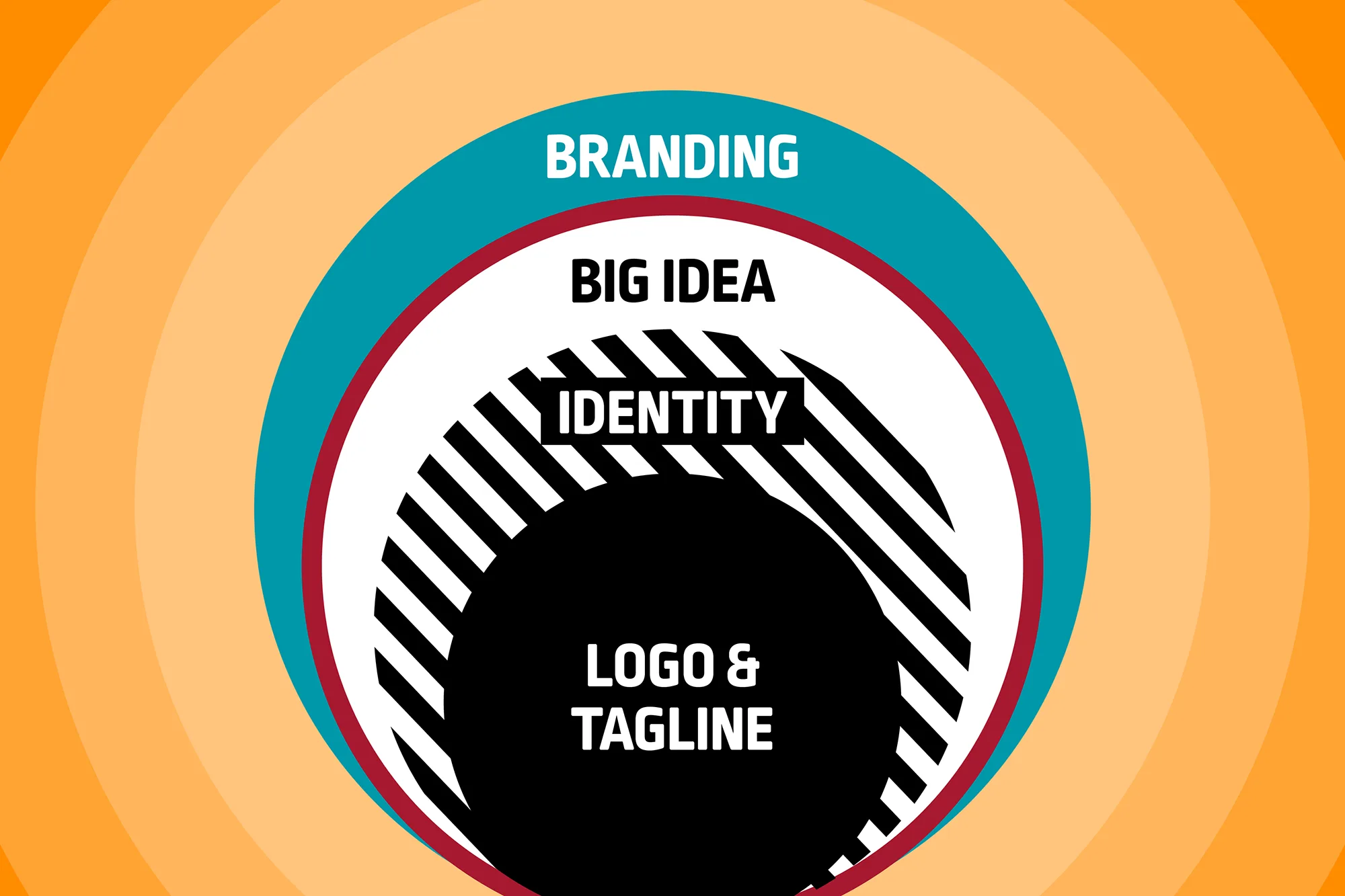
As we established in Chapter 2, a differentiated, strategic brand helps your business stand out, build trust, and be chosen. How do you get one of those?
Here are the four essential components of life science brand development.
#1: Name
Your company name shapes how people perceive your brand from the very first interaction, and then carries across every touchpoint from your website and emails to sales conversations, investor decks, and more.
Naming is especially critical in life science brand development because the market is crowded with acronyms and similar-sounding companies, and technical or vague names miss out on strategic storytelling. A forgettable name means lost visibility and market confusion.
A strong life science company name, however, balances differentiation and authenticity to build long-term brand equity by being:
Memorable
Stands out in a saturated market
Meaningful
Reflects your mission, value, and/or differentiators
Authentic
Aligns with your voice and vision
Scalable
Grows with your business (e.g., pipeline expansion, M&A)
Clear
Avoids confusion across global markets, languages, or regulatory spaces
Ownable
Facilitates trademarking
#2: Identity
Your brand identity is how your brand looks and feels. It comprises the visual and verbal elements that identify your company that make you unique — and easy for your audience to recognize and remember you.
Core elements of brand identity include:
Tone and Voice
How your brand sounds and communicates
Logo
Your visual anchor
Tagline
Your verbal anchor
When you have a strong brand identity, your communications are consistent and aligned, your internal teams speak with one voice, and your external audience knows what to expect from you. Perhaps most importantly, a strong brand identity helps you move from strategy to execution, keeping your value tangible and repeatable so you can generate real ROI.

#3: Logo & Tagline
Logo and tagline are the visual and verbal anchors of your brand. When optimized, they work together to signal your value and tell your story at a glance.
Logo
Your logo is a visual representation of who you are and a promise of what you offer. Almost like a beacon that leads someone to your brand, it sets the tone for your colors, type, and other elements through the simplest forms of visual communication — symbols, shapes, and colors.
And if repeated enough, it becomes synonymous with your business. Nike doesn’t have to put their name on their billboards anymore, right?
In life science brand development, a logo should strike the right balance between professionalism and creativity, meaning it should be:
Simple and scalable
(it doesn’t need to show everything you do)
Versatile
across print and digital
Timeless
not trendy
Unique
from competitors
Tagline
Your tagline is the verbal shorthand of your brand’s purpose or differentiator. It reinforces your positioning and gives people a memorable, bite-size takeaway about what makes you different.
Taglines are especially important in life sciences because, if done right, they can help translate complex services or science into a clear message with emotional resonance and market relevance.
A solid tagline is:
Concise
Usually 3-7 words
Sticky
Easy to remember and repeat
Strategic
Tied to your brand positioning or value proposition
Distinctive
Sets you apart in your market
#4: The Big Idea
The final main component of life science brand development is the Big Idea. A central, simple, and powerful concept that defines the core of your brand, the Big Idea guides everything from your message to your product and customer experience. It is more than a tagline; it’s a unifying theme that encapsulates your purpose, values, and mission in a way that is memorable, emotional, and resonates deeply with the target audience.
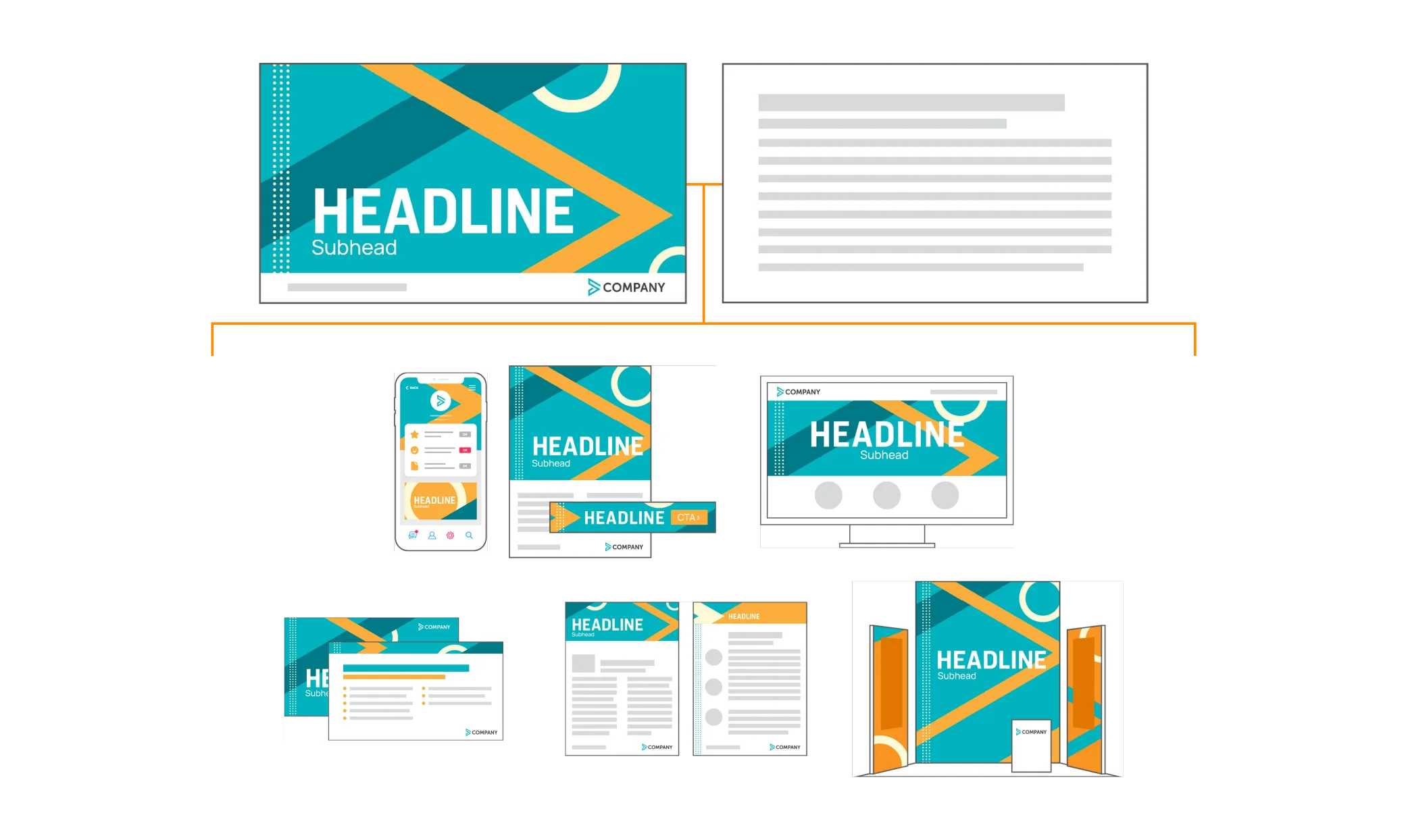
With core messaging and brand visuals, it serves as a strategic foundation for marketing, design, and internal company culture.
The core messaging piece of the Big Idea is an expanded articulation of your value proposition. It sets the tone for your brand and how you talk about your services, expertise, and what makes you unique from your competitors. Big Idea brand visuals are the visualization of your core messaging. Informing everything from color palette to typography, they attract attention and tell your story in an engaging and memorable way. Your Big Idea messaging and visuals should complement each other and flow seamlessly — messaging saying what visuals can’t, and visuals communicating what messaging can’t.
Once established, your Big Idea inspires everything your brand puts out, from social media to website design, ensuring consistency and a thorough demonstration of your value.
What Comes Next in Life Science Brand Development?
Now that you know branding basics, the connection between brand strategy and lead generation, and what goes into a strong brand, what could go wrong?
Stay tuned for our next blog in this series: “Common Life Science Branding Mistakes.”

Drake Sauer