Your brand isn’t just how you look (see Chapter 1). Your life science brand strategy has a direct impact on lead generation — and therefore your bottom line.
Why? It all comes down to brand awareness.
What Is Brand Awareness?
Brand awareness is the extent to which your audience knows who you are, what you do, and why you matter. Can they remember your name? Recognize your logo? Describe what you offer? Know what makes you different from the competition?
Brand awareness is essential because familiarity builds trust. Consistent exposure helps your brand feel credible, reliable, and safe — especially in important industries like life science.
But brand awareness isn’t just visibility. It’s also memorability. The ultimate goal is unaided brand awareness, meaning someone doesn’t just recognize your brand when prompted, but they think of your brand first, without any help. To achieve that level of awareness, your brand needs to stand out.
Brand Awareness Is the Foundation of Lead Generation
Brand awareness is the first step in the buyer’s journey. You can’t generate qualified leads if no one knows who you are or why they should care about what you do. Brand awareness also impacts how people engage with your sales and marketing, as higher awareness often leads to higher open rates, better conversions, and shorter sales cycles.
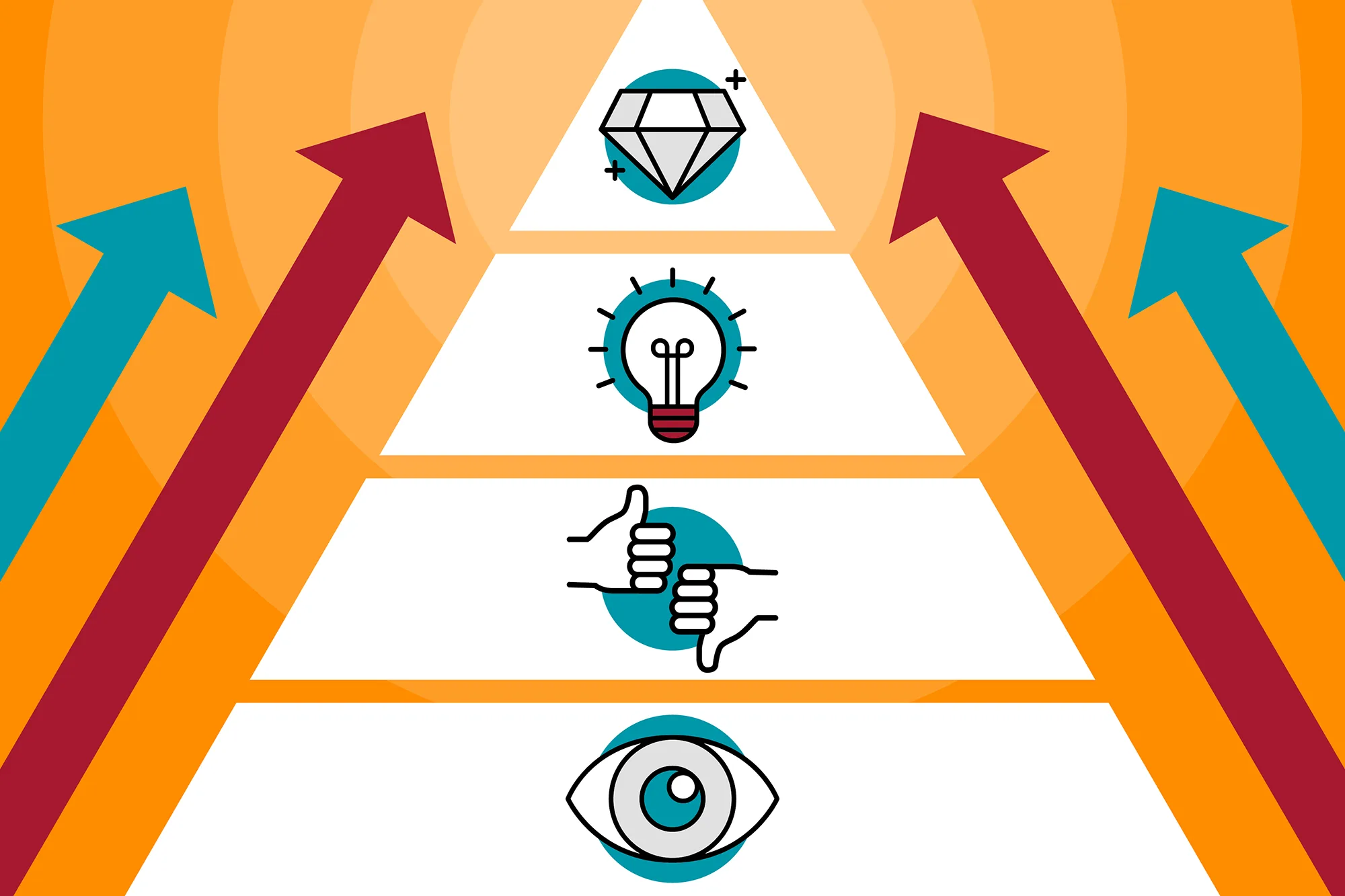
But you won’t go from obscurity to unaided brand awareness overnight. You have to build awareness over time through four stages: recognition, recall, top of mind, and preference.
The 4 Stages of Brand Awareness
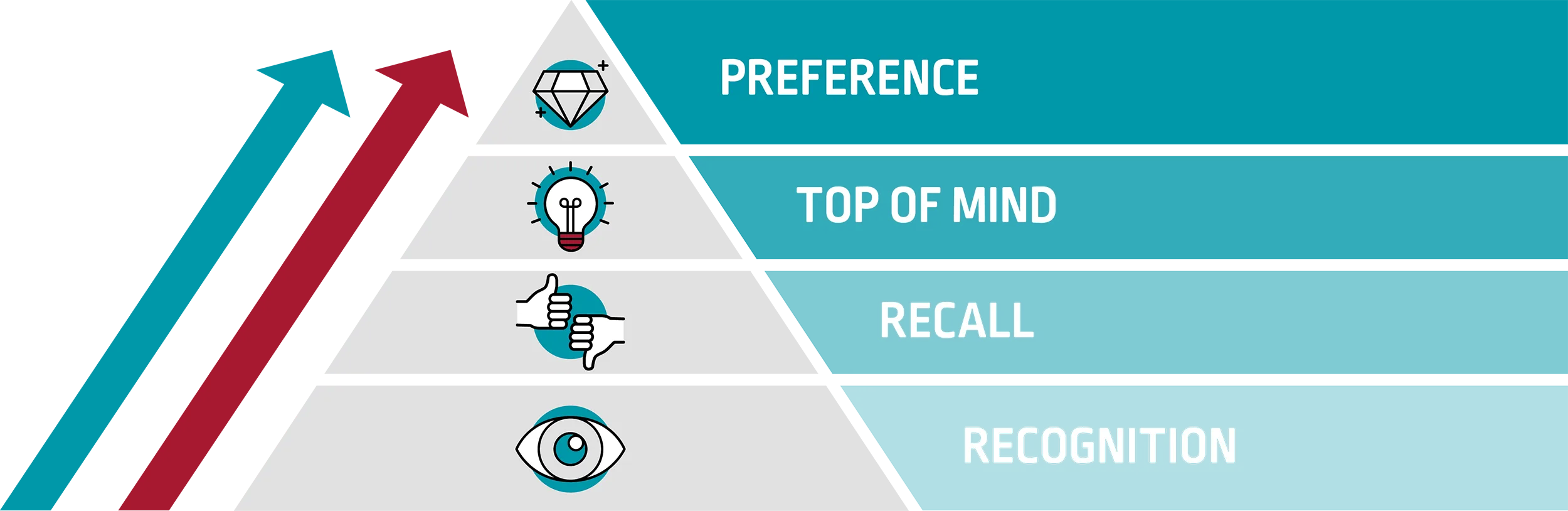
Stage 1: Recognition Opens the Door — “I’ve seen that name before.”
Your audience may not fully understand what you do yet — but your logo, name, or colors feel familiar, or they’ve heard other people talk about you. In other words, you’re on a potential lead’s radar. The more you build recognition, the more likely a target will click, open, or inquire because people prefer to engage with ads, emails, or event booths from brands they recognize.
How to achieve recognition: Be visible and consistent enough that your brand starts to feel familiar and generate buzz.
Stage 2: Recall Builds Consideration — “I know who they are and what they do.”
Now, the audience can actively recall your brand when prompted. They recognize your offerings and associate your name with your industry, reflecting message clarity and early trust building. Once you’re in the recall stage, your brand becomes one of the few considered, not just one of many options. When someone can recall who you are and what you offer, they’re more likely to include you in their research (form fills, demo requests, or content downloads) or request for a proposal.
How to achieve recall: Develop messaging and visuals that stick and help your brand connect with a clear benefit.
Stage 3: Top of Mind Shortens the Funnel — “They’re the first brand I think of.”
When someone has a need, your brand is the first one that comes to mind. Reaching this stage requires repetition, relevance, strong differentiation, and an even stronger reputation built on word of mouth and repeat business.
Being top of mind helps raise conversion rates, lower cost per lead, and accelerate movement through the funnel because the prospect already knows you and trusts your value.
How to achieve top of mind: Be first in line when your audience is ready to act.
Stage 4: Preference Drives Qualified, Intent-Driven Leads — “I want to work with them.” or even better, “I want to work with them again and tell others about them.”
Brand nirvana: When awareness translates into loyalty and trust, and inbound leads are more sales ready, better aligned, and higher quality. In this stage, your brand isn’t just known, it’s chosen over competitors because you’ve been building a well-positioned brand that delivers on its promises through ongoing brand engagement, content trust, a positive reputation, and superior performance.
How to achieve preference: Create such a strong brand experience and back it up with such excellent work that your audience actively prefers you and wants to work with you again and again.
6 Reasons Why Brand Awareness Is Especially Important for Lead Generation in Life Science
1
You’re selling to highly educated, risk-averse decision-makers. They need to trust your brand before they’ll even consider your solutions.
2
Most life science offerings are complex and technical. Strong branding helps translate scientific value into clear, compelling benefits.
3
Referrals and reputation drive sales. In this niche industry, your brand is your reputation. If your name isn’t known or trusted, leads won’t convert.
4
The life science sales cycle is long and relationship driven. Brand awareness helps you stay visible and build credibility over time, so you’re top of mind when decisions are made.
5
Differentiation is difficult because many companies offer similar services. A strategic brand helps you stand out and be remembered, especially in the recognition and recall stages of brand awareness.
6
Inbound leads are only as strong as your brand. A recognized, trusted brand (aka brand awareness) increases the quality, volume, and readiness of inbound prospects.
Ready to Put Brand Awareness to Work for Your Life Science Business?
Differentiated, strategic branding helps your business stand out, build trust, and be chosen. How do you get one of those? Connect with SCORR to find out.
Stay tuned for our next blog in this series: “Essential Components of a Strong Life Science Brand.”

Lea LaFerla